
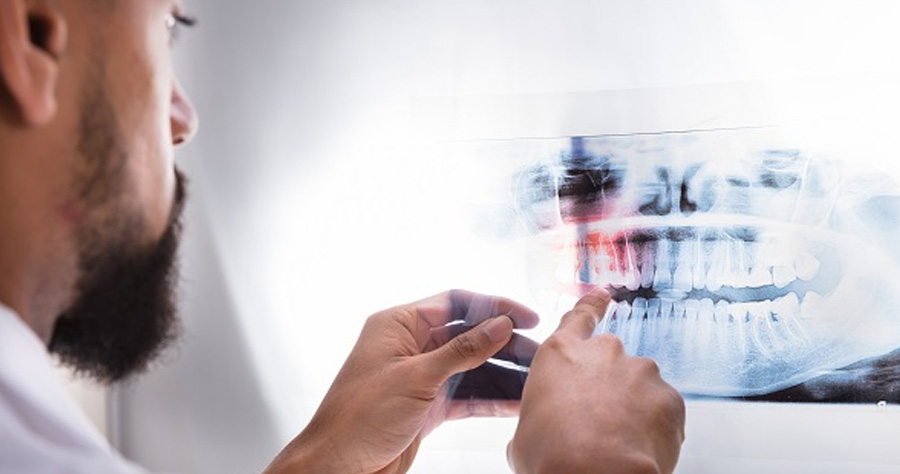
Proposed Objectives for Study
The study is being carried out to evaluate a protocol for the use of different peroxide based bleaching materials. The study is also going to look at methods and materials (potassium nitrate, potassium chloride and fluoride) to reduce the most common side effects related to tooth bleaching, which are tooth and gum sensitivity. The study is also to be structured so that comments can be made regarding tray designs and also whether there is the necessity to carry out dental restorative work prior to bleaching so as to reduce tooth sensitivity. The patients will also be advised to incrementally increase the concentration of the bleaching agent so that a comment may be made as to the effectiveness of this approach in reducing tooth and gum sensitivity. A comment will also be made about patient compliance and how they found the use of the product for example, the taste and ease of dispensing.
At the end of the study it is proposed that a protocol can be formulated that will significantly reduce the likelihood of tooth and gum sensitivity, but also enable the practitioner to use higher concentration materials for a superior clinical result, without increasing the likelihood of tooth and gum sensitivity.
Proposed Questions
- Is there a clinically significant difference in the transition of colour using Carbamide Peroxide (CP) based materials compared to Hydrogen Peroxide (HP) based materials.
- Is there a clinically significant difference of tooth and gum sensitivity using Carbamide Peroxide or Hydrogen Peroxide based materials?
- Does tray design impact on tooth and gum sensitivity or the effectiveness of the bleaching agent?
- Does the use of Potassium Nitrate materials reduce tooth sensitivity?
- From previous research carried out does the use of an incremental increase in concentration of the bleaching materials seem to reduce tooth and gum sensitivity?
- Is there a difference in patient compliance between the use of CP or HP based materials?
- What are the patients’ main complaints about the process?
Materials
The materials to be trialled will be Carbamide Peroxide (CP) and Hydrogen Peroxide (HP). The concentration of the materials used will be 10%, 16%, and 22% Carbamide peroxide and 3%, 7.5% and 9.5% Hydrogen Peroxide. The materials used will be the Southern Dental Industries (SDI) gel based systems. The bleaching method used will be the at home tray based system. The desensitizing agents will be Potassium Nitrate (PN), Potassium Chloride (PC) and Fluoride (F) based products; these will include Soothe (SDI) and Sensodyne toothpaste (GSK). The trays will be fabricated by a dental laboratory.
Method
The patients will be assessed and have a full clinical check up, radiographs, photos and a base colour using the Vita Shade Guide will be taken. The sample population will be separated into two groups. One group will use 10% CP for 3 days then 16% CP for 8 days and then 22% CP for 3 days. The second group will use 3% HP for 3 days and then 7.5% HP for 8 days and then 9.5% HP for 3 days. The whitening materials will be worn in the tray for approximately 2 hrs and the desensitizing material if used for ½ hr. The use of the incremental increase in concentration of the material is to evaluate whether this will help to reduce the likelihood of tooth sensitivity by allowing the teeth to get used to the bleaching materials before increasing the concentrations, this is specifically important when considering the use of the 22% CP or 9.5% HP based materials. This is due to research indicating that most tooth sensitivity is usually in the first few days then it plateaus because the teeth seem to adjust to the bleaching agents. I also believe it to be because the patients get used to feelings and are more comfortable with these feelings because they know they are normal sensations.
It will be noted whether dental work is required or not so that a comment will be made about the perceived necessity to carry out the dental treatment prior to the bleaching process. Many research articles have touched on the fact that patients with required dental work do not seem to have an increased prevalence of tooth sensitivity. Also different papers have spoken about the improvement of gum health during the bleaching process due to the peroxide acting as a sanitisation material. The main question that I wish to answer is; does the need for restorative work increase the likelihood of getting tooth sensitivity whilst bleaching?
Other reasons why it will be beneficial to analyse whether restorative work should be carried out prior to tooth bleaching are;
- Most restorative work is carried out with aesthetic materials now, so being able to stabilise the colour prior to completing the restorative work will be beneficial to the final aesthetic outcome.
- It has been shown in numerous studies that the bleaching process does affect the mineralisation content of the enamel and dentine, which therefore reduces the bond strengths of the composite materials at the composite-enamel interface. If the practitioner can be confident that the presence of dental decay and other dental defects won’t necessarily increase the likelihood of side effects, they can wait for 3-4 weeks after bleaching to allow remineralisation of the tooth structure.
The two groups will be further subdivided into those that will have the bleaching trays trimmed to follow the CEJ and those where no trimming will occur. I wish to validate whether trimming the bleaching trays around the CEJ decreases tooth and/or gum sensitivity or whether it might actually increase the tooth and/or gum sensitivity. I also wish to find out whether trimming the trays has any affect on the effectiveness of the bleaching process.
The groups who have been subdivided for the tray trimming/ or not will then be subdivided into three groups, the three groups will be;
- The use of the Soothe (PN and F) product from the start to help reduce the tooth sensitivity.
- The use of Sensodyne (PC and F) from the start to help reduce tooth sensitivity.
- The use of Soothe and Sensodyne in an approach where the patient treats themselves by how symptomatic there mouth feels.
By separating the groups as such it is hoped that a comment can be made which evaluates which concentrations of PN based products is more effective. Plus also it can be seen whether a preventative approach to tooth sensitivity is more appropriate than just treating the symptoms as they arrive. By treating the symptoms though instead of taking a preventative approach it can be shown that the PN products are effective at treating tooth sensitivity. PN based products are traditionally used for tooth sensitivity, because of there action at depolarising the nerves within the pulp so that they do not fire a pain response.
Schematic of the breakdown of the sample population
and gum sensitivity will be gathered by having the patients answer some questions every day of the trial, the questions will be;
- Have your teeth felt sore or sensitive to hot and cold today?
- Please judge how hot or cold sensitive your teeth have been today?
- Please judge the general amount of tooth soreness you have felt today?
- Have your gums felt sore or ulcerated?
- Please judge how sore your gums have been today?
Question 1 and 4 are yes/no answers. The other questions will be answered by having the patients mark on a 10cm long line, that has 1 cm increments, where on the line do they feel indicates the level of discomfort. This method has been shown in pain related studies to be the most effective in registering a patient’s pain experience.
The patients will also be asked to write a small paragraph at the end of each week about what their experiences have been like and how they think the transition of colour has been going, and to comment on the taste of the materials the ease of use, and any comments they have about the process.
The patients will also be monitored by seeing them after approximately 4-5 sessions and then at the end when a satisfactory colour has been achieved, which is usually about 10 sessions.
Proposed results
What I wish to achieve is an overall protocol that can be used on all patients that would allow the best possible outcome for the patient with the least occurrence of normal side effects, being tooth sensitivity and gum soreness.I also wish to find out whether patients should be treated symptomatically or prophylactically with the desensitizers as part of the general protocol for the use of the bleaching agents.