
Dental Care During Pregnancy – Professional Insights (Brisbane Clinic)
Dental Care During Pregnancy – Professional Insights (Brisbane Clinic)
By Dr Adam Alford, BDS (Hons) (University of Sydney), Brisbane-based Dental Practitioner
Pregnancy is a unique phase in a woman’s life that entails significant physiological changes, including changes in the oral cavity. Maintaining optimal dental health during pregnancy is crucial, not only for the mother’s well-being but also for the health of the developing baby. This article provides an evidence-based overview of dental care during pregnancy, reflecting current best practices in Australian dentistry as of 2025. We will cover the oral changes that occur during pregnancy, preventative care strategies, recommended timing for dental treatments, the safety of dental procedures (like X-rays and anesthesia), and the importance of oral health for pregnancy outcomes. All information is geared towards expectant mothers in Brisbane and is in line with Australian dental guidelines and standards, as provided by Dr Adam Alford.
Oral Changes and Common Dental Issues During Pregnancy
Hormonal fluctuations in pregnancy (notably increased estrogen and progesterone levels) have well-documented effects on the gums and teethdhsv.org.auen.wikipedia.org. These changes can lead to an exaggerated inflammatory response to plaque. As a result, roughly two-thirds of pregnant women experience pregnancy gingivitis, marked by swollen, tender gums that bleed easilydhsv.org.aubetterhealth.vic.gov.au. This condition typically arises in the second trimester and often subsides after childbirthdhsv.org.au, provided good oral hygiene is maintained.
If gingivitis is left untreated, it can progress to periodontitis (gum disease affecting the deeper supporting structures of the teeth). About 40% of pregnant women may develop some form of periodontitisdhsv.org.au. Periodontitis is a chronic infection of the gums and bone, which can lead to tooth mobility or loss if severeen.wikipedia.org. In the context of pregnancy, periodontitis has long been considered a potential risk factor for adverse outcomes, such as pre-eclampsia, preterm birth, and low birth weightdhsv.org.audhsv.org.au. While research is ongoing, a number of studies suggest an association between periodontal disease and these pregnancy complications, highlighting the importance of maintaining gum health.
Another common issue is pregnancy epulis or pyogenic granuloma, colloquially known as a “pregnancy tumor.” About 5% of pregnant women develop this type of benign gum growthdhsv.org.au. It usually appears as a localized, red/purple lump on the gums that bleeds easily. These lesions are thought to result from the interplay of increased progesterone and local irritants (plaque or tartar)dhsv.org.au. Pregnancy granulomas often arise after the first trimester and can grow rapidly, but the good news is they typically shrink or disappear after the baby is borndhsv.org.auen.wikipedia.org. Unless a granuloma interferes with chewing or is very uncomfortable, dentists usually manage it conservatively during pregnancy (by keeping the area clean and free of plaque). Definitive removal can be done after delivery if it doesn’t resolve on its own.
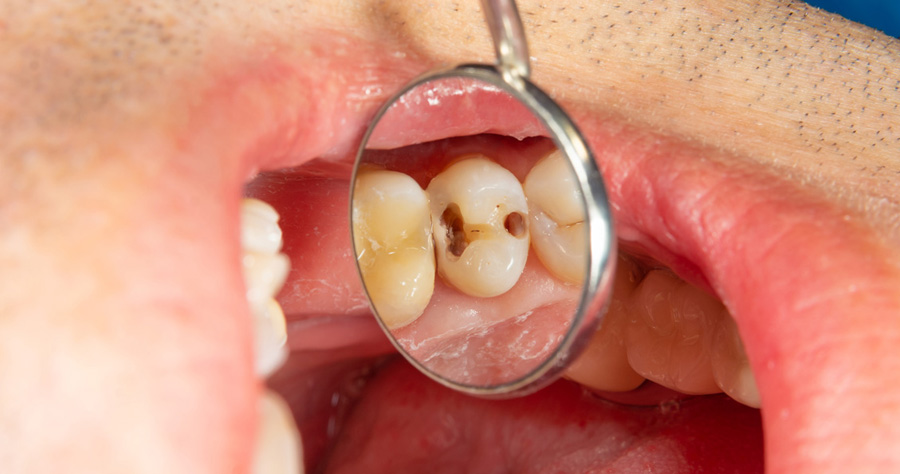
Pregnant women are also at higher risk for dental erosion and tooth decay under certain circumstances. Frequent vomiting due to morning sickness or reflux (GERD) exposes the teeth to gastric acid. This acid can erode tooth enamel – a condition known as perimylolysis when associated with chronic vomitingdhsv.org.au. Enamel erosion, combined with changes in saliva composition and possible increased intake of carbohydrates, can elevate the risk of dental caries (cavities) during pregnancydhsv.org.au. Additionally, some studies have found higher levels of Streptococcus mutans (a decay-causing bacteria) in pregnant women, which may contribute to increased caries riskdhsv.org.au.
Xerostomia (dry mouth) is another complaint that may occur, partly due to hormonal influences on saliva glands and also due to increased breathing through the mouth or dehydration in pregnancy. Reduced saliva flow can worsen cavity risk, since saliva helps neutralize acids and remineralise teeth.
Patients may notice tooth mobility – teeth that feel slightly loose. This is usually temporary. The surge in progesterone and relaxin can loosen the ligaments and bone around teeth (similar to how joints loosen in preparation for childbirth)en.wikipedia.org. This mobility reverses postpartum when hormone levels recede, assuming no severe periodontal disease is present.
It’s important to emphasize that pregnancy itself does not directly cause tooth decay or tooth loss – the old saying “gain a child, lose a tooth” is a myth. Rather, it’s the changes in habits (diet, oral hygiene) and the aforementioned conditions that can increase risks. With proper care, most pregnant women can go through pregnancy without new dental problems.
Preventive Dental Care Before and During Pregnancy
Preventive care is the cornerstone of maintaining oral health in pregnancy. The current standard of care in Australia encourages women to receive a dental assessment either prior to pregnancy or early in pregnancydentalprotection.org. The ideal scenario is to enter pregnancy with a healthy mouth, as untreated dental issues can worsen due to pregnancy-related factors.
Pre-Pregnancy (Preconception) Dental Visit: Women planning to become pregnant are advised to have a comprehensive dental examination and complete any outstanding dental treatments beforehanddentalprotection.org. This includes treating all active caries and gum disease, and getting a professional cleaning. Completing necessary dental work prior to conception provides peace of mind and reduces the need for intervention during pregnancy. It also avoids any coincidence of a dental treatment with an unrelated adverse pregnancy event, which could create unwarranted associations or stress for the patientdentalprotection.org.
Dental Check-ups During Pregnancy: Pregnancy is not a reason to avoid the dentist; in fact, routine dental visits during pregnancy are both safe and recommendeddhsv.org.aubetterhealth.vic.gov.au. Most guidelines suggest maintaining your regular check-up schedule (typically every 6 months, or more frequently if you are at high risk for gum disease). In many cases, a check-up in each trimester is advisable. A common approach is:
- Early first trimester (or just before pregnancy): exam, cleaning, oral hygiene guidance.
- Second trimester: another check-up and cleaning (this is often when any necessary dental work would be performed, as detailed in the next section).
- Third trimester: a final check or cleaning, if needed, before delivery.
However, the frequency of visits should be tailored to the individual. Patients with a history of periodontal issues may benefit from more frequent cleanings (for example, every 3–4 months) to control gingival inflammation. A dental professional will recommend the optimal recall schedule based on the patient’s oral health status. The key is that preventive cleanings and check-ups are safe and encouraged during pregnancy, as they help minimise the bacterial load in the mouth and reduce the risk of gum infection or tooth decay.
Oral Hygiene Practices: Pregnant patients should adhere to diligent home oral care. This includes brushing at least twice daily with a fluoridated toothpaste and flossing once dailybetterhealth.vic.gov.auhelixdental.com.au. In fact, because pregnancy can make gums more sensitive, using a soft-bristled toothbrush is recommended to gently clean along the gumline without causing excess trauma. If gums are bleeding, it is important to continue brushing and flossing gently, rather than avoid itbetterhealth.vic.gov.au. Cessation of oral hygiene will allow plaque to build up and worsen the problem. Using an alcohol-free fluoride mouth rinse at night can provide additional protection against cavities, especially if morning sickness has been an issue.
Dietary counseling is also part of preventive care. Limiting foods high in added sugar and avoiding frequent snacking on sweets or acidic drinks will reduce the risk of cariesbetterhealth.vic.gov.aubetterhealth.vic.gov.au. Instead, a balanced diet with plenty of calcium (dairy or fortified alternatives) and adequate vitamin D is encouraged, as this supports both maternal and fetal bone/teeth healthbetterhealth.vic.gov.aubetterhealth.vic.gov.au. That said, the popular notion that a fetus will leach calcium from the mother’s teeth is unfounded – any calcium loss would come from bones, not teeth. Regardless, ensuring sufficient calcium intake (e.g., via dairy, leafy greens, or supplements if recommended by a doctor) is wise for overall health.
Dealing with Morning Sickness: Patients experiencing regular vomiting or acid reflux should take steps to protect their teeth from acid erosion. Current best-practice advice is to avoid brushing immediately after vomiting and instead to rinse with water or a bicarbonate solution (a teaspoon of baking soda in a glass of water) to neutralize aciddhsv.org.aubetterhealth.vic.gov.au. After rinsing, a smear of fluoridated toothpaste on the teeth (or a fluoride mouthwash) can help restore mineralsbetterhealth.vic.gov.au. Brushing can resume about 30–60 minutes later, once the saliva has buffered the acids. Chewing sugar-free gum can also stimulate saliva flow to aid in neutralizationdhsv.org.au. These measures greatly reduce the risk of enamel erosion from pregnancy-related gastric reflux.
Managing Gum Sensitivity: If brushing provokes gagging, which is not uncommon in pregnancy, strategies include using a smaller toothbrush head (such as a child’s toothbrush), brushing more slowly, and perhaps switching toothpaste flavors if the taste triggers nauseabetterhealth.vic.gov.aubetterhealth.vic.gov.au. Some women find it easier to brush at a different time of day when their gag reflex is calmer, or to focus on breathing techniques while brushing the back teeth.
In summary, prevention during pregnancy revolves around rigorous oral hygiene, regular dental visits for professional cleaning, and lifestyle/diet adjustments to minimise risks. Australian healthcare providers, including obstetricians and GPs, are increasingly recognising the importance of oral health in pregnancy and often advise women to see a dentist as part of routine prenatal caredhsv.org.audhsv.org.au. In Queensland, pregnant women have priority access to public dental services, underlining how seriously oral health is taken in the context of pregnancydhsv.org.au.
Timing of Dental Treatments During Pregnancy
Dental treatment can be safely delivered during pregnancy, but the timing of non-urgent procedures is usually planned to maximise comfort and minimize risk. Here’s how timing is generally approached:
- First Trimester (weeks 1–12): This period is when the fetus’s organs are forming (organogenesis), and the risk of miscarriage is highest. For these reasons, and because many women experience nausea and fatigue, dentists typically avoid any elective procedures in the first trimester. However, urgent care should not be withheld if the patient is in pain or has an infection. A simple check-up and cleaning can be done safely in the first trimester (especially late first trimester) if the patient missed a pre-pregnancy visit, but any non-essential invasive treatments might be scheduled for the second trimester. It’s worth noting that from a medical standpoint, dental work (with proper precautions) is not known to cause miscarriage or birth defects, but scheduling can be adjusted out of an abundance of caution and patient comfort.
- Second Trimester (weeks 13–26): This is considered the safest and most comfortable window for dental treatmentshelixdental.com.aubetterhealth.vic.gov.au. By the second trimester, the pregnant patient is usually past the worst of the morning sickness and not yet so large as to be uncomfortable in the dental chair. The risk of any procedure interfering with fetal development is minimal at this stage. Therefore, if a patient needs a filling, root canal, or extraction, the second trimester is an ideal time to carry out such treatment. Many practitioners will also perform necessary periodontal therapy (deep cleaning or even minor periodontal surgeries if needed for gum health) during this time. Throughout any second-trimester procedure, dentists take care with patient positioning – for instance, keeping the mother tilted slightly to her left side, or placing a small pillow under the right hip to avoid compressing the inferior vena cava (a large vein) which can cause supine hypotensive syndromefile-gfgx7d7yrjjkcsyfwbdpdghelixdental.com.au. These positioning adjustments ensure the mother’s comfort and stable blood pressure during longer appointments.
- Third Trimester (weeks 27–40): Dental care in the third trimester is still safe, but the mother’s comfort is a concern as she approaches term. After about 36 weeks, sitting reclined for extended periods can be quite uncomfortable, and there’s a risk of dizziness from vena cava compression if lying flat on the back. Necessary dental work can still be done, but the dentist may opt for shorter appointments or deferring anything not urgent until after delivery. If an emergency arises (such as dental trauma or acute infection), treatment is performed irrespective of trimester, with appropriate modifications to ensure the patient’s safety. During late third trimester, the same positioning principles apply – avoid keeping the patient completely flat, and allow frequent breaks to adjust posture. It’s also wise to avoid scheduling lengthy procedures close to the due date, as stress or discomfort could potentially trigger contractions (though this is rare).
- Postpartum: For elective procedures that were postponed during pregnancy (for example, teeth whitening, cosmetic veneers, or replacing old amalgam fillings), it’s recommended to wait until after the baby is born. Many dentists suggest waiting about 6 weeks postpartum before undertaking elective treatments, giving the mother time to recover from childbirth and establish routines with the newborn. One advantage of deferring certain treatments is that some diagnostic X-rays or medications that might have been limited during pregnancy can be used freely after birth (especially if the mother is not breastfeeding – even if she is, most dental treatments remain compatible with breastfeeding, with a few precautions for medications).
In all cases, dental emergencies are addressed immediately, regardless of pregnancy stage. It is widely accepted among healthcare providers that the risks of untreated dental infections or severe pain far outweigh the minimal risks of dental treatment during pregnancyfile-gfgx7d7yrjjkcsyfwbdpdg. Untreated infections can spread and lead to systemic issues that could harm both mother and fetus. Therefore, pregnant patients should be advised to seek dental care promptly if they experience symptoms like toothache, swelling, or gum abscess.
Safety of Dental X-rays, Medications, and Anesthesia
A frequent concern among pregnant patients is the safety of dental X-rays and dental medications. According to current guidelines and evidence, routine dental care – including necessary X-rays and local anesthesia – is safe during pregnancy and will not harm the developing babydhsv.org.aubetterhealth.vic.gov.au. Here we break down the considerations:
- Dental X-rays: The radiation from dental X-rays is extremely low. A single dental X-ray has a fetal radiation dose on the order of 0.01 milligray or less (for comparison, this is about 1/10,000 of the dose associated with potential fetal harm)dentalprotection.org. When taking X-rays on a pregnant patient, standard practice is to use a lead apron (with a thyroid shield) to cover the abdomen and throat, which virtually eliminates radiation exposure to the fetusen.wikipedia.org. Modern digital X-ray sensors further minimise radiation dosage. The Australian Dental Association and other professional bodies advise that if an X-ray is needed for diagnosis or treatment, it should be taken – pregnancy is not a contraindicationdhsv.org.au. That said, purely routine check-up X-rays (that could reasonably be postponed without impacting care) are often deferred until after pregnancy or until the second trimester, simply to avoid even the patient’s anxiety about X-rays. In summary, necessary X-rays are considered safe in pregnancy, and no increase in fetal defects or miscarriage has been observed from diagnostic dental radiographydhsv.org.au. Patients can be reassured that the amount of radiation is negligible, especially with protective shielding.
Dental X-rays with proper shielding are safe during pregnancy. In fact, the radiation dose from a dental X-ray is extremely low – significantly lower than natural daily background exposure. Dentists will always cover you with a lead apron (as shown above) to protect you and your baby.dentalprotection.orgbetterhealth.vic.gov.au
- Local Anesthesia: The numbing injections (local anesthetics like lidocaine with epinephrine) used in dental procedures are also safe for pregnant patientshelixdental.com.auen.wikipedia.org. Adequate pain control is important – stress and pain can cause more harm (via increasing blood pressure and stress hormones) than the anesthetic itself. Lidocaine (Category B) with epinephrine is commonly used; the epinephrine helps constrict blood vessels to keep the numbing effect localized and reduce systemic absorption. There is no evidence of any teratogenic effect from local anesthetics used in dental doses. One consideration: due to altered physiology in pregnancy, some women may metabolize anesthetics faster, so effective pain control should be confirmed and additional anesthetic administered if needed. Dentists avoid injecting directly into infected areas (as always) and aspirate to prevent intravascular injection, which is routine practice. Patients can be reassured that having a filling or root canal done under local anesthetic will not pose a risk to the fetus. On the contrary, untreated dental pain is more detrimental.
- Dental Medications: Many dental-related drugs are safe in pregnancy, but each must be considered. For pain relief, paracetamol (acetaminophen) is the analgesic of choice and is safe when used as directed. Nonsteroidal anti-inflammatory drugs (NSAIDs like ibuprofen) are generally avoided especially in the third trimester, as they can affect the fetal heart and labor timing. If a stronger painkiller is required, certain opioids can be used for short durations under medical guidance, but this is rare for dental indications. Antibiotics commonly prescribed for dental infections – such as penicillins (e.g., amoxicillin), clindamycin, and cephalosporins – are categorized as safe in pregnancy. Metronidazole is also considered low risk in the second and third trimesters (though usually avoided in the first trimester out of caution). Dentists will liaise with the patient’s GP or obstetrician if there’s any doubt. Topical medications like chlorhexidine mouthwash are safe for oral use (not swallowed). If a procedure requires sedation beyond local anesthetic, nitrous oxide (laughing gas) is used with caution – short, single exposures are likely safe in mid-pregnancy, but prolonged or repeated exposure is not recommended. In a general dental practice setting, most needed medications can be selected from those known to be pregnancy-safe.
- Avoidance of Teratogenic Materials: Certain substances are strictly avoided. For example, dentists will typically postpone any treatment that involves bisphosphonates or other specialized drugs. Fortunately, such situations are uncommon in general dentistry. Mercury amalgam fillings are a topic of some debate – replacing or removing amalgam fillings during pregnancy is not recommended (to avoid transient exposure to mercury vapor). If a filling breaks in pregnancy, the dentist may opt to restore it with a composite (white) filling rather than disturb an old amalgam unless absolutely necessary. Teeth whitening chemicals (peroxides) are not known to be harmful, but since they are elective, dentists simply defer cosmetic whitening until after pregnancy as a best practice.
In summary, contemporary evidence and guidelines reassure us that dental treatment during pregnancy is safe and beneficialdhsv.org.au. Dentists are trained to modify care appropriately – they will use the smallest effective dose of X-rays, choose pregnancy-safe medications, and avoid anything elective that can wait. The priority is maintaining the mother’s oral health, which in turn supports her general health and pregnancy.
The Importance of Dental Health for Pregnancy Outcomes
Maintaining oral health during pregnancy is not just about the mother’s comfort – it can have ripple effects on the pregnancy itself and even the health of the newborn. A healthy mouth may contribute to better pregnancy outcomes, while poor oral health (especially gum disease) has been associated with certain complications.
Numerous studies have explored the link between periodontal disease and pregnancy outcomes. Chronic gum infection and inflammation can lead to increased levels of systemic inflammatory markers. Research indicates that treating periodontal disease during pregnancy can significantly improve some perinatal outcomes. In fact, periodontal therapy in pregnant women has been associated with a decreased risk of preterm birth and with higher average birth weights, compared to those with untreated gum diseasedhsv.org.au. While the exact causal mechanisms are still under investigation, the correlation is strong enough that both dental and obstetric professionals advocate for gum disease screening and management as part of prenatal care.
There is also an established connection between the mother’s oral bacteria and the infant’s future oral health. Cavity-causing bacteria (like Streptococcus mutans) can be transmitted from mother to child after birth through salivary contact (for example, sharing spoons or cleaning a pacifier with the mother’s mouth). By reducing the bacterial load in the mother’s mouth through good oral hygiene and dental care, we can potentially delay or diminish the colonization of these bacteria in the baby. This means a lower risk of early childhood caries for the child down the linedhsv.org.au. In short, improving a mother’s oral health can positively impact her child’s oral health in infancy and beyond.
Another consideration is how oral health intersects with nutrition. Dental pain or missing teeth can impair a pregnant woman’s ability to eat a balanced diet at a time when adequate nutrition is crucial. By preventing dental problems, we ensure that the mother can maintain a nutritious diet, supporting fetal growth and her own health.
From a healthcare systems perspective, integrating dental care into prenatal care leads to better outcomes. Australia’s Pregnancy Care Guidelines emphasize oral health as an important aspect of antenatal carehealth.gov.au. Many Brisbane obstetric clinics now include a question about dental check-ups in their intake forms and may refer patients to dental clinics if they haven’t seen a dentist recently. There are programs in place to increase awareness, such as public health initiatives highlighting that pregnant women have priority access to public dental services (meaning they can get faster appointments)dhsv.org.au.
It is worth dispelling any myths – routine dental procedures (cleanings, fillings, extractions, root canals) when needed do not cause miscarriage or birth defects, according to extensive data. On the contrary, avoiding or delaying necessary care could lead to complications that indirectly affect the pregnancy (like severe infection or poor nutrition). Dentists should work in tandem with obstetricians: if there are any special medical considerations (for instance, the patient is on anticoagulants or has gestational diabetes or hypertension), those should be communicated so the dental team can adjust the care plan accordingly.
Conclusion
Dental care is an integral part of a healthy pregnancy. For expectant mothers in Brisbane and across Australia, the guidance is clear: continue with regular dental check-ups, practice excellent oral hygiene, and address problems promptly. Dr Adam Alford and colleagues emphasise that with proper precautions, dental treatments such as fillings, periodontal therapy, and even extractions can be safely performed during pregnancy without harm to the mother or baby. Preventive measures – including more frequent cleans, fluoride use, and dietary adjustments – can dramatically reduce the incidence of pregnancy-related dental issues like gingivitis or decay.
By ensuring optimal oral health, we not only improve the mother’s quality of life (no one wants to deal with a toothache while pregnant!) but also contribute to a healthier pregnancy and potentially healthier outcomes for the newborn. The mouth is a part of the body that should not be overlooked during prenatal care. As the saying goes, “healthy mother, healthy baby” – and that includes a healthy smile.
References:
- Better Health Channel (Victoria State Government). Pregnancy and teeth – maintaining oral health during pregnancy. (Accessed 2025)betterhealth.vic.gov.aubetterhealth.vic.gov.au.
- Dental Health Services Victoria. Pregnancy and Oral Health in General Practice – Fact Sheet (2023)dhsv.org.audhsv.org.au.
- Dental Health Services Victoria. Pregnancy and Oral Health – FAQs for Dental Practitioners (2023)dhsv.org.audhsv.org.au.
- Helix Dental. Expert Insights 2024: Safety of Dentist Visits During Pregnancyhelixdental.com.auhelixdental.com.au.
- Dental Protection Australia. Dentistry and Pregnancy – Care Considerationsdentalprotection.orgdentalprotection.org. (Describes comparative risks and preconception care advice.)